Surviving and Thriving in the Granbury Heat
Summer in Granbury is long, bright, and genuinely hot. North Texas regularly delivers weeks of triple-digit afternoons, warm nights that barely dip below the 80s, and the kind of dry, sun-baked stretches that shape how locals plan their days. For newcomers, the heat can feel relentless at first — but residents of Hood County will tell you the secret quickly: you do not fight a Texas summer, you work with its rhythm.
This guide is about living well here from May through September — how to stay cool and safe, keep your home and yard healthy, look after animals and acreage, and still enjoy everything that makes Lake Granbury summers worth it.
The daily rhythm of a Granbury summer
Locals shift their lives a few hours earlier and a few hours later than the clock suggests.
Mornings belong to the outdoors. The lake is glassy and cool at sunrise, trails are quiet, and yard work gets done before 10 a.m. This is when runners, paddlers, and gardeners are out.
Midday is for shade and air conditioning. Errands, indoor projects, the library, a late lunch on a covered patio — the hottest hours from roughly noon to 5 p.m. are not when you mow the lawn or take the dog on a long walk.
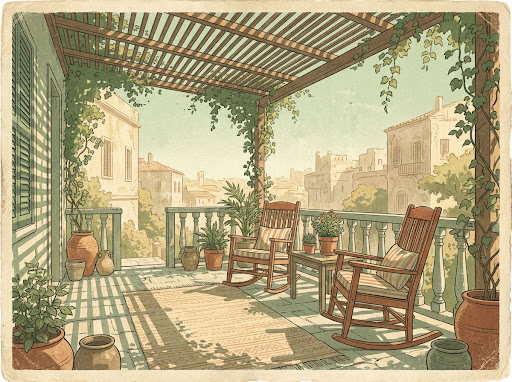
Evenings bring Granbury back to life. Sunset over the Brazos impoundment cools things just enough for dock-side dinners, a stroll around the historic square, youth sports, and neighbors catching up on porches. Plan your social life around golden hour and you will love the season.
Staying cool at home
Air conditioning is not optional here — it is infrastructure. A few things keep you comfortable without a punishing electric bill:
- Service your AC in spring. A pre-season tune-up and a fresh filter prevent the worst-case July breakdown when every HVAC company in Hood County is booked solid.
- Manage the sun, not just the thermostat. Solar screens, blackout shades on west-facing windows, and ceiling fans let you run the thermostat a few degrees higher in comfort.
- Watch peak-demand pricing. Pre-cool the house in the morning and ease back during late-afternoon peak hours to soften summer bills.
- Have a backup plan. Keep a window unit or a plan for a hot night if the central system fails during a heat wave.
If you are on or near the lake, you already own the best cooling amenity in town — early-morning and evening swims are part of the local survival kit.
Hydration and outdoor safety
The heat index — temperature plus humidity — matters more than the thermometer alone. When it climbs, treat the outdoors with respect:
- Drink water before you feel thirsty, and add electrolytes on long outdoor days.
- Schedule yard work, lake time, and exercise for early morning or after sunset.
- Know the warning signs of heat exhaustion and heat stroke (dizziness, cramps, confusion, hot dry skin) and get out of the heat fast if they appear.
- Never leave children or pets in a parked vehicle, even briefly — interior temperatures turn dangerous within minutes. Ready.gov's extreme-heat guidance is a solid refresher for new arrivals.
Pets, livestock, and acreage animals
Plenty of Granbury-area homes sit on acreage, and animals feel the heat hard.
- Provide constant shade and fresh, cool water; refill troughs more than once a day.
- Walk dogs early or late — asphalt and even gravel can burn paws by midday.
- For horses, goats, and cattle, watch for heat stress and make sure shade structures and water are accessible across the whole pasture, not just near the barn.
Yards, gardens, and water-wise landscaping
A Hood County summer is tough on landscaping, but a water-wise approach keeps your place green and your water bill sane:
- Water deeply and infrequently in the early morning; follow any local watering restrictions during dry spells.
- Favor native and adapted plants — Texas sage, lantana, yucca, and live oaks shrug off heat that kills thirstier ornamentals.
- Mulch beds to hold moisture and protect roots from the baking sun.
Dry-season brush-fire awareness
Late summer is also when grass, cedar, and underbrush dry out across rural Hood County. Granbury is not wildfire country the way West Texas is, but grass fires along county roads, sparks from equipment, and unattended burn piles do show up in local fire reports when humidity drops and the wind picks up. Acreage owners near Acton, along the lake's wooded shoreline, and on cedar-choked fence lines feel this most.
The practical response is fuel reduction — keeping dry vegetation thinned back from structures, driveways, and utility paths so a grass fire has less to climb into. The Texas A&M Forest Service publishes defensible-space and community wildfire-preparedness guidance that applies well to Hood County properties. If years of cedar and brush have built up on a larger parcel, professional forestry mulching is one way owners clear that fuel without burning. Always check current burn-ban status before any burn-dependent work.
A simple late-spring checklist
Before the worst of the heat arrives, knock out the basics:
- [ ] AC serviced, filters replaced, backup plan in place
- [ ] Solar screens or shades on the hottest windows
- [ ] Irrigation checked and set for early-morning, deep watering
- [ ] Shade and water sorted for pets and any livestock
- [ ] Defensible space reviewed on acreage — and if dry brush and cedar have taken over, line up forestry mulching before fire season peaks
The payoff
Handled well, a Granbury summer is not something to endure — it is lake mornings, long evenings on the water, festival nights on the square, and the easy pace that draws so many people to Hood County in the first place. Learn the rhythm, prepare your home and land, and the heat becomes just another part of what makes living here feel like home.